The national average bathroom remodel costs approximately $12,128 in 2026, with most projects falling between $6,639 and $17,622. A basic cosmetic update may cost as little as $3,000, while a complete primary bathroom transformation with premium finishes can exceed $50,000.
If you are wondering how much does a bathroom remodel cost, the most accurate answer depends on the bathroom’s size, the quality of the materials and whether you are keeping or changing the existing layout. Plumbing relocation, custom tile work, structural repairs and luxury fixtures can increase the price considerably.
These figures are national planning estimates, not fixed contractor prices. According to CostFigure’s 2026 bathroom remodeling data, local labor rates and material prices can create substantial regional differences. California projects may cost more than the national average because of licensed labor requirements, permitting, disposal expenses and local finish expectations.
What Is the Average Cost of a Bathroom Remodel?
When homeowners ask how much does a bathroom remodel cost, the national average is a useful starting point. However, defining the scope first is more valuable than relying on one number. Repainting walls and replacing fixtures is a very different project from removing every surface and rebuilding the bathroom.
| Remodeling level | Typical cost range | Common project scope |
| Budget remodel | $3,000–$7,500 | Paint, hardware, lighting, basic vanity and fixture updates |
| Mid-range remodel | $8,000–$25,000 | New vanity, toilet, flooring, tile, shower or bathtub and lighting |
| High-end remodel | $25,000–$60,000+ | Custom shower, premium tile, layout changes, cabinetry and luxury fixtures |
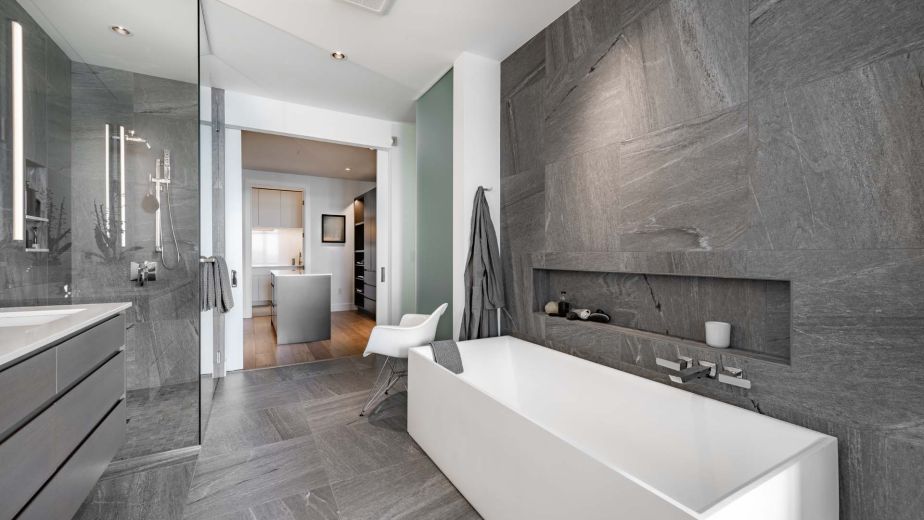
A budget remodel generally preserves the existing layout and focuses on visible improvements. Mid-range projects replace most major fixtures while using durable materials that balance appearance and price. High-end remodels may include custom fabrication, natural stone, frameless shower glass, freestanding tubs and extensive plumbing changes.
The 2025 Houzz Bathroom Trends Study reported a national median spend of $13,000, while major bathroom remodels reached a median of $22,000. Projects involving bathrooms of 100 square feet or more had a median spend of $25,000. These findings reinforce why project scope and room size should be considered alongside the overall national average.
Bathroom Remodel Cost by Size and Scope
Bathroom size influences material quantities, but square footage does not determine the entire budget.
When calculating how much does a bathroom remodel cost, homeowners must also consider the number of fixtures, amount of tile, plumbing configuration and level of customization.
Small Bathroom or Half Bath
A basic half-bath refresh may cost between $3,000 and $5,000, while a more complete remodel commonly falls between $3,800 and $7,500. Because a half bath typically contains only a toilet and sink, it avoids the cost of a shower or bathtub.
A small full bathroom with a shower or tub may cost between $8,000 and $15,000 for a mid-range remodel. Even though the room is small, plumbing, waterproofing, ventilation and electrical work still require qualified trades. For that reason, small bathrooms may have a higher cost per square foot than larger rooms.
Space-saving vanities, recessed medicine cabinets, large-format tile and properly positioned lighting can make a small bathroom feel more open without moving walls.
Full or Guest Bathroom
A full or guest bathroom remodel generally costs between $8,800 and $25,000. A project at the lower end may retain the existing tub, plumbing locations and flooring. A project at the higher end may include a new tiled shower, vanity, countertop, toilet, lighting and upgraded ventilation.
Guest bathrooms often benefit from durable mid-range finishes. Porcelain or ceramic tile, a semi-custom vanity and reliable plumbing fixtures usually provide a strong combination of appearance, performance and value.
If the bathroom is regularly used by children or visitors, storage, slip resistance and easy maintenance may be more important than expensive decorative features.
Primary Bathroom
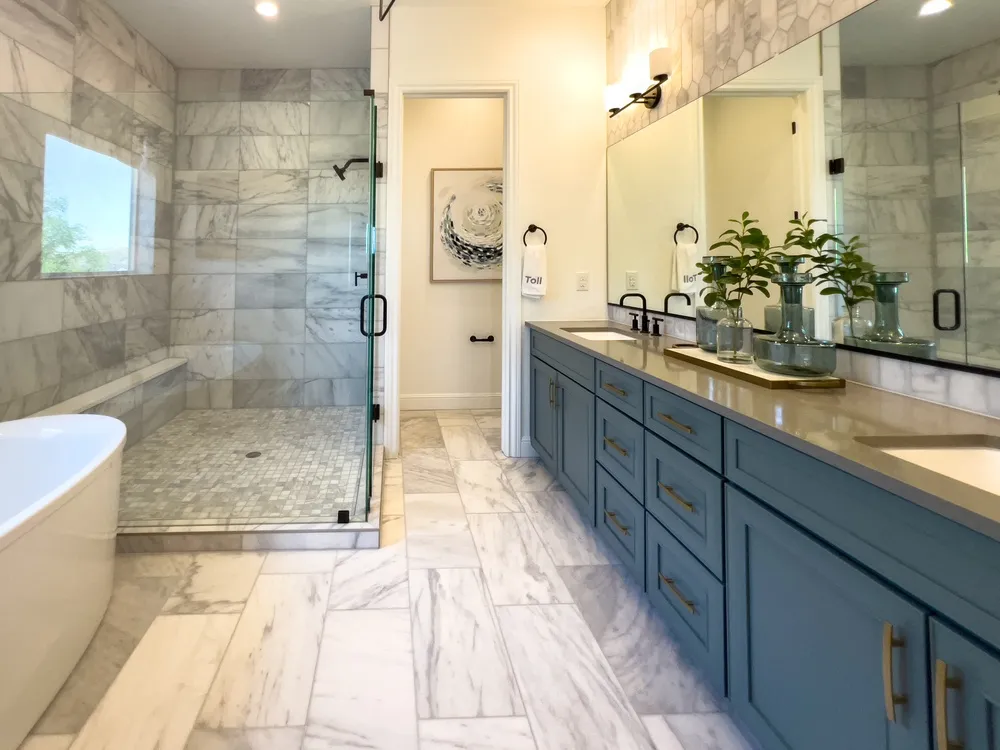
A primary bathroom remodel commonly costs between $20,000 and $60,000, although luxury projects can exceed that range. Primary bathrooms are usually larger and may include two sinks, a walk-in shower, a separate bathtub, more cabinetry and a greater amount of tile.
Custom glass, heated floors, premium stone, built-in shower benches and extensive lighting plans can quickly raise the total. Expanding the room or changing its configuration may also require framing, plumbing, electrical and structural work.
A detailed design plan is especially important for primary bathrooms because small changes to the shower, tub or vanity location can affect several construction trades.
What Factors Affect Bathroom Remodel Costs?
To understand how much does a bathroom remodel cost, examine the three categories that usually control the budget: labor, materials and layout changes. Each category can influence the others, so early design decisions matter.
Labor and Contractor Fees
Labor can represent a significant portion of the total bathroom remodeling budget. General contractors coordinate demolition, plumbing, electrical work, waterproofing, tile installation, cabinetry, painting and inspections.
Bathrooms require several specialized trades to work within a relatively small area. A lower quote is not always the better value if it excludes project management, surface preparation, waterproofing, disposal or permit coordination.
Homeowners should request itemized proposals that clearly define the work, materials, allowances, payment schedule and change-order process. Comparing equal scopes is more reliable than comparing only the final totals.
Materials and Fixtures
Material selections can move a bathroom from one pricing category to another. Stock vanities, standard toilets and ceramic tile are generally less expensive than custom cabinetry, wall-mounted toilets and natural stone.
The most expensive material is not automatically the best option. Bathroom surfaces must withstand moisture, cleaning products and daily use. Mid-range porcelain tile, quartz countertops and quality plumbing fixtures often provide excellent durability without the maintenance requirements of certain luxury materials.
Homeowners exploring tile and surface choices can review Kitchen Art Floor and Bath’s flooring services for additional design and material considerations.
Plumbing, Electrical, and Layout Changes
Keeping the existing layout is one of the most effective ways to control costs. Moving a toilet, shower or sink may require rerouting supply pipes, drain lines and vents. The work can become more complicated when plumbing is located in a concrete slab or an inaccessible wall.
Electrical updates may be required for new lighting, exhaust fans, heated floors or code-compliant outlets. Older bathrooms can also reveal undersized circuits or outdated wiring after demolition begins.
Removing walls, enlarging the shower or changing the doorway may require framing and structural work. These changes can improve functionality, but they should be planned before construction begins.
Bathroom Remodel Cost Breakdown by Feature
A feature-by-feature estimate helps clarify how much does a bathroom remodel cost and makes contractor proposals easier to compare. The following figures are general installed-cost ranges. Custom designs, premium materials and difficult site conditions can produce higher prices.
| Bathroom feature | Typical installed cost |
| Shower | $1,200–$8,000+ |
| Bathtub | $500–$5,000+ |
| Vanity | $500–$3,000 |
| Countertop | $250–$1,500 |
| Toilet | $500–$1,000 |
| Flooring | $500–$2,500 |
| Floor and wall tile | $1,100–$5,000+ |
| Lighting | $250–$2,000 |
| Cabinets and storage | $500–$5,000+ |
The shower is frequently one of the largest expenses because it combines plumbing, waterproofing, tile, glass and labor. A prefabricated shower enclosure generally costs less than a custom tiled shower with frameless glass.
Tile expenses depend on the material, pattern and installation complexity. Detailed mosaics, niches, benches and herringbone patterns require more labor than standard straight-set tile. Similarly, custom cabinetry costs more than a stock vanity but may provide better storage in an unusual space.
Hidden Costs to Include in Your Budget
When estimating how much does a bathroom remodel cost, visible fixtures are only part of the budget.
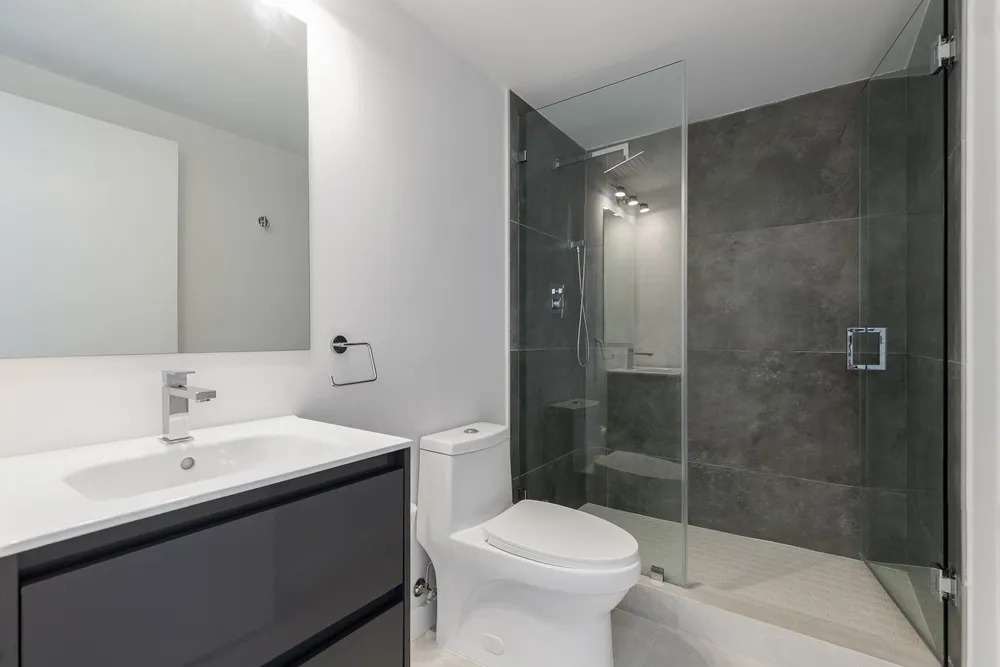
Permits, demolition, debris removal and concealed repairs should be considered before choosing decorative finishes.
Permit costs vary by location and project scope. Plumbing, electrical, ventilation and structural changes may require permits and inspections. Homeowners should confirm local requirements rather than assuming a small bathroom does not need approval.
Demolition may expose leaking pipes, damaged subfloors, mold, inadequate waterproofing or deteriorated framing. These conditions usually cannot be priced accurately until existing surfaces are removed. Correcting them is essential because installing new finishes over damaged materials can lead to much more expensive repairs later.
Disposal costs should also be included. Tile, drywall, bathtubs, vanities and construction debris must be removed and handled properly. Ask whether hauling and disposal are included in the contractor’s proposal.
A contingency allowance of 10% to 20% is appropriate for most bathroom remodels. Older homes or projects involving extensive demolition may require a larger reserve. This allowance is not intended for unplanned luxury upgrades. It protects the project when necessary repairs appear.
How to Save Money on a Bathroom Remodel
Homeowners asking how much does a bathroom remodel cost are often looking for ways to reduce the total without compromising reliability.
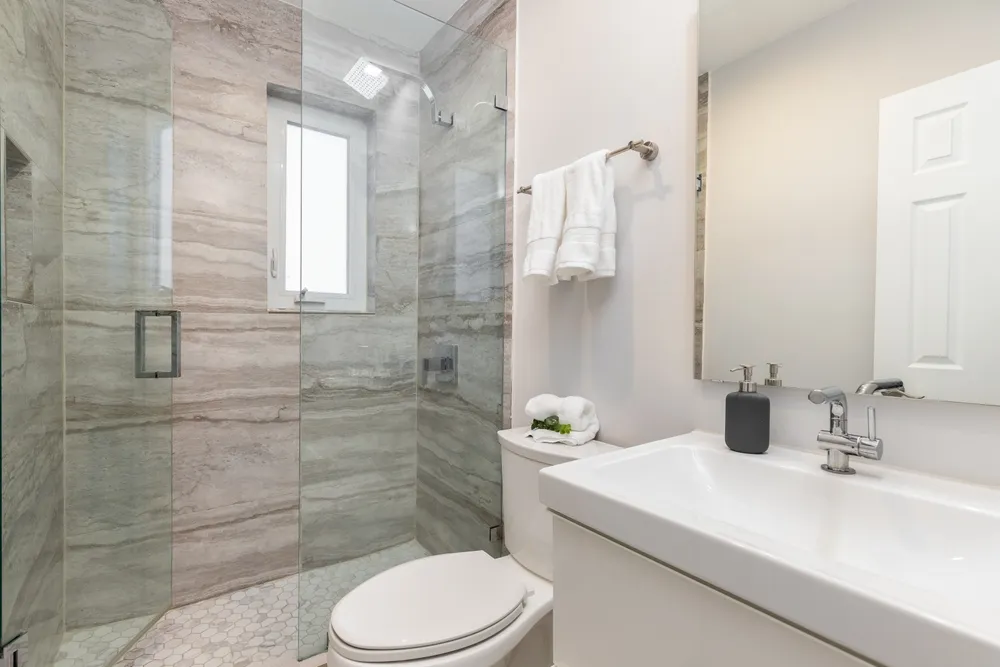
The best savings usually come from simplifying the scope rather than selecting the cheapest products.
Retaining the existing layout can prevent costly plumbing, framing and electrical changes. If the current vanity, toilet and shower locations work well, replacing them in place can preserve more of the budget for finishes and storage.
Mid-range materials are often the practical choice. Ceramic and porcelain tile, quartz countertops and semi-custom vanities can provide durability and strong visual impact without the cost of rare stone or fully custom fabrication.
Obtain several detailed contractor quotes based on the same plans and product specifications. One estimate may appear less expensive because permits, disposal, waterproofing or finish work have been excluded. A line-by-line comparison can reveal the actual difference.
Prioritize upgrades that affect everyday comfort. Improving the shower, vanity storage, lighting and ventilation may deliver more value than spending heavily on decorative features. A clear priority list also makes it easier to remove optional items if estimates exceed the budget.
Frequently Asked Questions
The following concise answers address common questions homeowners ask when researching how much does a bathroom remodel cost, how long the work may take and what should be included in the budget.
What is a realistic budget for a bathroom remodel?
A realistic national budget is $8,000 to $25,000 for a mid-range remodel. Small cosmetic updates may cost less, while primary bathrooms, custom showers and layout changes can cost significantly more.
How much does a small bathroom remodel cost?
A half-bath remodel may cost $3,800 to $7,500. A small full bathroom containing a shower or bathtub commonly costs $8,000 to $15,000 for a mid-range project.
What is the most expensive part of a bathroom remodel?
The shower is often the most expensive feature because it may involve demolition, plumbing, waterproofing, tile installation and custom glass. Layout changes and hidden water damage can also become major expenses.
How much should I set aside for unexpected costs?
Set aside approximately 10% to 20% of the planned budget. Consider a larger contingency for an older home or a bathroom with known moisture, plumbing or structural problems.
What is the difference between a bathroom remodel and renovation?
A renovation generally restores or updates the existing bathroom. A remodel makes more substantial changes to its layout, fixtures or function. In everyday usage, however, contractors and homeowners often use the terms interchangeably.
How long does a bathroom remodel take?
A cosmetic update may take one to two weeks. A standard full remodel often requires three to six weeks, while custom projects involving permits, layout changes or specialty materials may take eight weeks or longer.
Is a Bathroom Remodel Worth the Cost?
For many homeowners, the answer is yes, but value should not be measured only through resale. When evaluating how much does a bathroom remodel cost, consider financial return, daily functionality, accessibility and long-term maintenance.
The 2025 Cost vs. Value findings from the Journal of Light Construction estimated that a mid-range bathroom remodel could recover approximately 80% of its cost at resale, compared with about 42% for an upscale project. This does not mean every project will achieve the same return. Home values, neighborhood expectations, project quality and market conditions all matter.
Mid-range remodels often perform better financially because they correct visible problems without pricing the bathroom far beyond the surrounding market. Luxury projects may deliver a lower percentage return but create greater personal value through improved comfort, relaxation and customization.
Accessibility can also make a remodel worthwhile. A low-threshold shower, wider entry, better lighting, strategically placed grab-bar blocking and a comfort-height toilet can make the room safer without giving it an institutional appearance.
Kitchen Art Floor and Bath states that its licensed and insured remodeling team has been active since 1988. Its design-and-build approach can help Orange County homeowners evaluate layout, materials, storage and construction requirements before work begins.
For a project-specific estimate, schedule a bathroom remodeling consultation with Kitchen Art Floor and Bath. A professional evaluation can identify the work your bathroom actually needs and establish a realistic budget based on the space, desired finishes and local construction requirements.